
Wondering why one Croton-on-Hudson house feels charming but compartmentalized, while another feels bright and open even at a similar price point? In this village, home style is not just about curb appeal. It often shapes how you live day to day, how much renovation you may want to take on, and how confidently you can compare one listing to the next. If you are buying, selling, or simply trying to understand the local market better, knowing the difference can save you time and sharpen your strategy. Let’s dive in.
Why Croton Homes Feel So Varied
Croton-on-Hudson does not read like a one-era housing market. Its housing stock grew in phases tied to rail access, riverfront geography, and postwar suburban growth, which is why you can see Colonials, Cape Cods, split-levels, and newer contemporary homes all in the same search.
That mix is part of what gives the village its character. Local planning documents describe Croton as a place defined by diverse housing styles, mature trees, and winding residential roads, with an emphasis on preserving neighborhood scale and architecturally significant homes.
The numbers support that older, single-family feel. Croton-on-Hudson had 3,157 housing units in the village profile, including 2,362 single-family homes, and the median year built was 1955. Census QuickFacts also reports an 81.0% owner-occupied housing rate and a median owner-occupied home value of $702,600.
Colonial Homes in Croton
What a Colonial usually offers
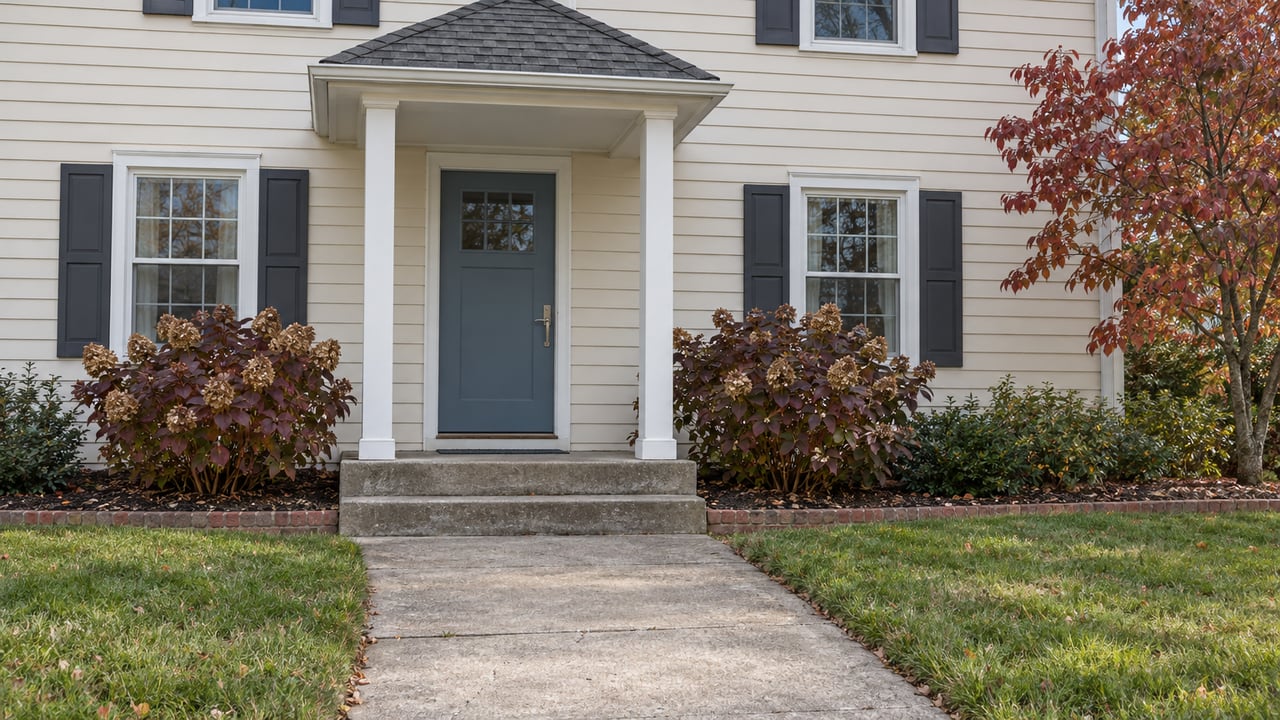
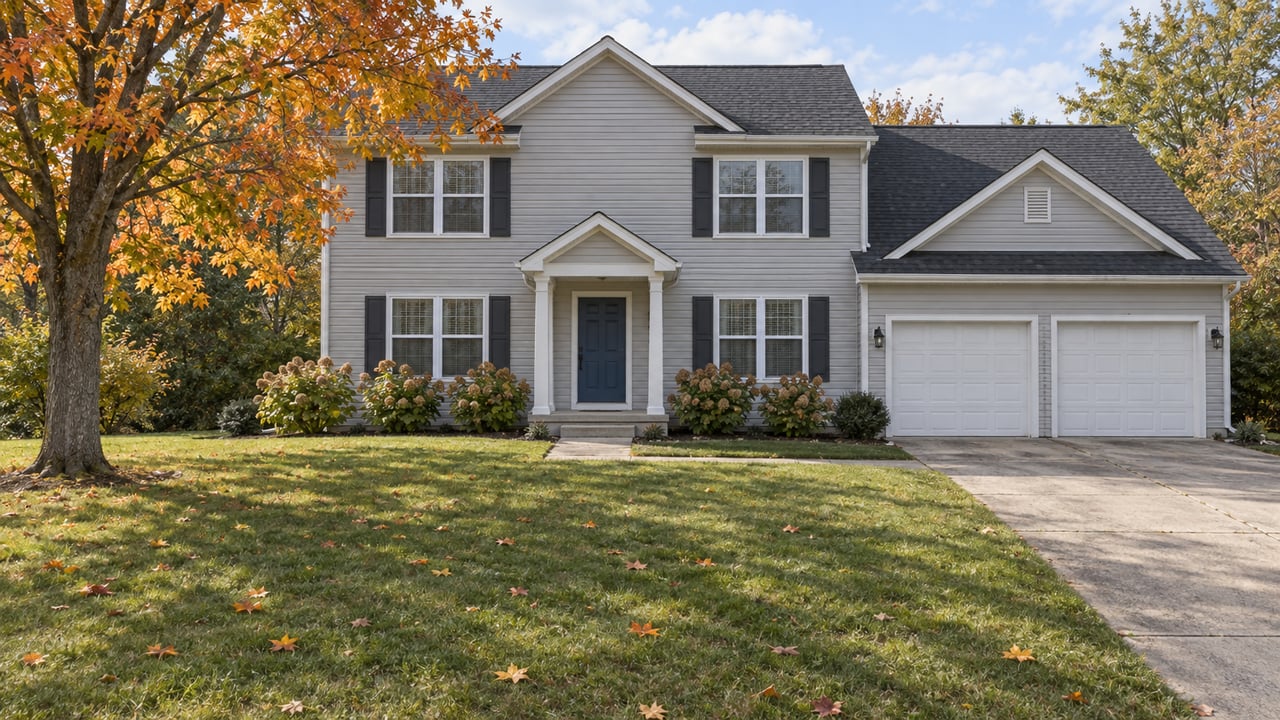
Colonial Revival homes are among the most recognizable older house types in Croton. They are typically symmetrical, with a centered front entry, double-hung windows, and a two-story layout that often separates living space downstairs from bedrooms upstairs.
For you as a buyer, that usually means the layout is easy to understand. Listing photos often make sense right away because the floor plan tends to follow a familiar pattern: kitchen, dining, and living spaces on the main level, with bedrooms above.
What to watch for in a Colonial
The biggest advantage is predictability. If you like defined spaces and a more formal room-by-room layout, a Colonial can feel practical and straightforward.
The tradeoff is that many older Colonials feel more closed off than newer homes. In Croton, updates often focus on opening the rear of the home, improving kitchen flow, or adjusting circulation while keeping the front appearance in line with neighborhood scale.
What it can mean for value
A Colonial may appeal to buyers who want classic curb appeal and a layout that still feels familiar over time. But two homes with a similar exterior can live very differently inside depending on how much updating has already been done.
That matters in a market like Croton, where much of the housing stock predates 1960. A polished front elevation does not always tell you whether the interior has been modernized, expanded, or left mostly original.
Cape Cod Homes in Croton
What a Cape usually offers
Cape Cod homes are generally one- to one-and-a-half-story houses with simple rectangular forms and side-gable roofs. Many date from the 1920s through the 1950s, which fits well with Croton’s older housing mix.
For you, a Cape often feels efficient and manageable. These homes can work well on smaller lots and often sit comfortably on tree-lined streets without feeling oversized.
What to watch for in a Cape
The charm of a Cape is often tied to its modest scale. That same feature can also mean tighter upper-level bedrooms, lower ceiling lines in finished spaces under the roof, and less flexibility than a full two-story home.
When you tour a Cape, pay close attention to headroom, dormers, closet space, and whether the upper level feels functional for your daily routine. A house that looks roomy in photos may feel much more compact in person.
What renovation potential looks like
Capes often offer practical ways to add usable space without dramatically changing the home’s street presence. Dormers, rear additions, attic finishing, and basement improvements are common ways to make the layout work better while keeping the home visually modest.
That can be a strong fit in Croton, where local planning emphasizes preserving scale and neighborhood character. For sellers, this also helps explain why thoughtful updates in a Cape can have a big impact on marketability.
Split-Levels and Raised Ranches
Why these homes can surprise you
Split-levels and raised ranches are a natural part of Croton’s postwar housing story. The village grew as a commuter suburb after World War II, and many homes from that period remain part of today’s listing mix.
A split-level typically places the kitchen, dining, and living spaces on one level, bedrooms a half-level up, and family or utility space a half-level down. Because of that layered layout, these homes often feel bigger than the square footage suggests.
What to watch for in photos
This is the style where online photos can be the most misleading. A bright main living level may not show you how many stairs are involved, how much natural light reaches the lower level, or whether the lower floor feels like real living space.
When comparing split-levels or raised ranches, focus on a few practical details:
- Stair count from entry to main living space
- Quality of natural light on the lower level
- Whether the garage is attached or built into the house
- Whether the lower level is fully finished or only partially usable
- How connected the kitchen feels to everyday living areas
Why buyers often like them
These homes can use sloped sites well and make smart use of space. If you want separation between activity zones without a fully formal layout, a split-level may feel more flexible than an older Colonial.
The downside is that circulation can feel choppy if the home has not been updated. Renovations often focus on opening the kitchen, improving the entry experience, and making the lower level feel intentional rather than leftover.
Contemporary and Newer Homes
What sets them apart
Contemporary homes usually emphasize openness, large expanses of glass, minimal ornament, and a stronger connection to outdoor space. In a place like Croton, that can translate into bright interiors, deck access, wooded views, and a layout that responds closely to the site.
If you are drawn to light-filled space and a more modern feel, this style may stand out right away. These homes often feel less compartmentalized and more visually connected from room to room.
What to watch for beyond the wow factor
Open does not always mean practical. Before you fall for the look, check whether the house has enough closet space, mudroom function, basement usability, and everyday storage.
That is especially important if you are moving from a city apartment and expect a larger suburban house to automatically solve storage problems. Sometimes the cleanest-looking homes are the ones that need the closest practical review.
How these homes fit Croton
Croton’s planning priorities matter here too. The village places value on natural character, mature trees, and neighborhood scale, so contemporary homes tend to feel like the best fit when they respond well to the land and respect the surrounding setting.
In other words, a modern home can work beautifully in Croton. It just tends to work best when it feels connected to the landscape rather than imposed on it.
How to Read Croton Listings Better
Look at the roofline first
A roofline tells you a lot before you ever step inside. A full Colonial usually means bedrooms upstairs, a Cape may tuck sleeping space under the roof, a split-level spreads life across half-levels, and a contemporary home may trade room separation for light and openness.
If you train your eye to catch that early, you can rule homes in or out faster. That helps you spend more time on listings that truly fit how you want to live.
Focus on storage, not just square footage
In Croton, practical storage can matter just as much as headline square footage. Older homes often vary widely in attic access, basement quality, closet size, and garage function.
A house with fewer square feet but better storage may live better than a larger home with awkward utility space. In an older, mostly single-family housing stock, those details can affect your day-to-day experience more than the listing sheet suggests.
Think about lot and layout together
Outdoor space in Croton is often shaped by topography, mature trees, and winding roads. A smaller house on a larger parcel may suggest room to expand, while a larger house set tightly on the lot may point toward interior reconfiguration as the smarter long-term move.
This is where local context matters. In Croton, the best opportunities are not always the biggest homes. Sometimes they are the homes with the best relationship to the lot, the layout, and the neighborhood scale.
What This Means for Buyers and Sellers
If you are buying in Croton, home style should be part of your decision from the start, not an afterthought. With a median owner-occupied home value of $702,600, layout efficiency matters. You are not only paying for location, but also for how well the home already works for your life.
If you are selling, understanding your home’s style helps you market it more clearly. A Colonial, Cape, split-level, or contemporary home should not be presented with generic language. Each one has different strengths, and the right positioning can help buyers connect the floor plan to their lifestyle faster.
That is where local knowledge makes a difference. In a market like Croton-on-Hudson, the story of a home is not just its age or size. It is how that style fits the village, the lot, and the way people actually live here.
If you want help comparing homes, preparing a listing, or figuring out which style makes the most sense for your next move in Croton, Nicole Biello can help you build a smart, local strategy.
FAQs
What are the most common home styles in Croton-on-Hudson?
- In Croton-on-Hudson, buyers commonly compare Colonials, Cape Cods, split-levels, raised ranches, and some newer or contemporary homes because much of the village housing stock was built before 1960, with a median year built of 1955.
What should buyers know about Colonial homes in Croton-on-Hudson?
- Colonial homes in Croton-on-Hudson often offer a clear two-story layout with living space on the main floor and bedrooms upstairs, but many older examples may feel more compartmentalized unless they have been updated.
What should buyers know about Cape Cod homes in Croton-on-Hudson?
- Cape Cod homes in Croton-on-Hudson often feel efficient and visually modest, but upper-level bedroom space, ceiling height, and storage should be reviewed carefully because these homes can feel smaller inside than they appear from the street.
Why can split-level homes in Croton-on-Hudson be hard to judge online?
- Split-level homes in Croton-on-Hudson can be tricky to judge from listing photos because photos may not clearly show stair count, lower-level light, garage integration, or how functional the half-level layout feels in everyday use.
Are contemporary homes a good fit in Croton-on-Hudson?
- Contemporary homes can be a strong fit in Croton-on-Hudson when they respond well to the site, natural landscape, and neighborhood scale, especially since local planning places importance on mature trees and preserving character.
What matters most when comparing older homes in Croton-on-Hudson?
- When comparing older homes in Croton-on-Hudson, it helps to look beyond bedroom count and focus on layout efficiency, storage, basement and attic function, lot topography, and how much updating has already been completed.