
Wondering what a true starter home looks like in Yorktown Heights and how to buy one with confidence? You’re not alone. Between older systems, commute questions, and a fast-moving market, it helps to know what to expect before you start touring. In this guide, you’ll learn the common home types, typical features and inspections, commute options, market pace, and a simple plan to set smart alerts and move fast when the right home hits. Let’s dive in.
What starter homes look like in Yorktown Heights
Common home types you’ll see
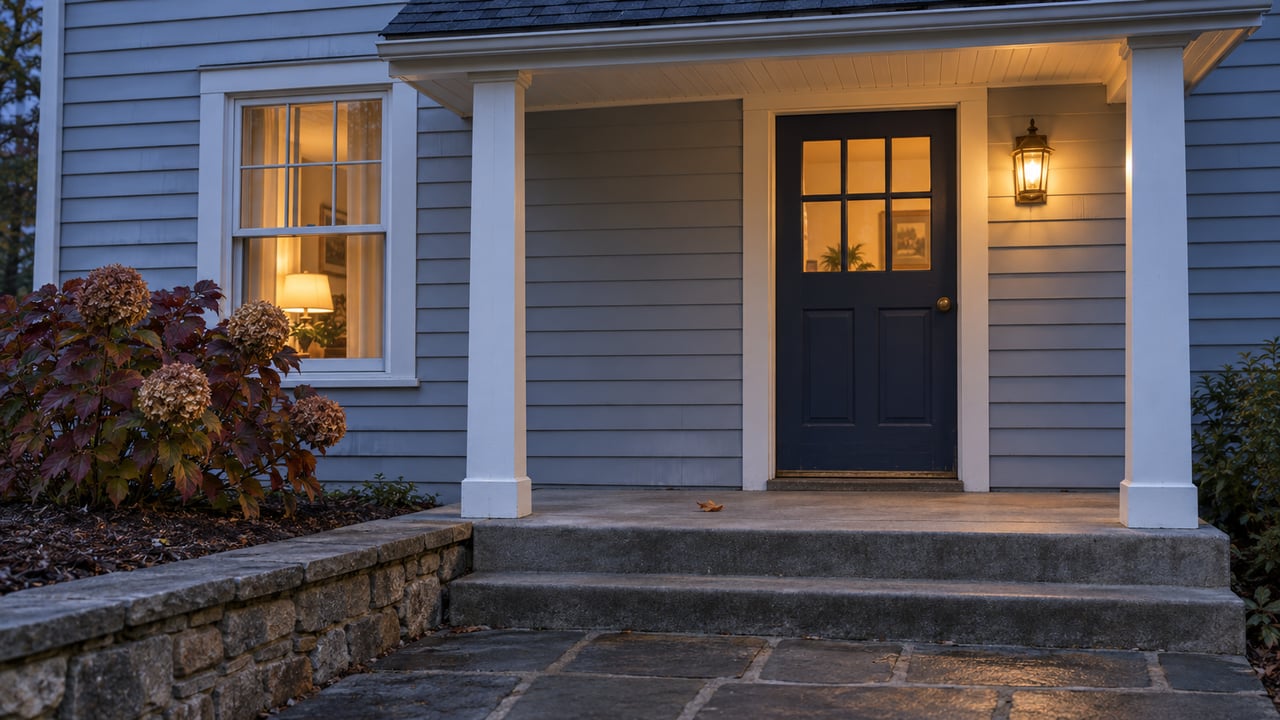
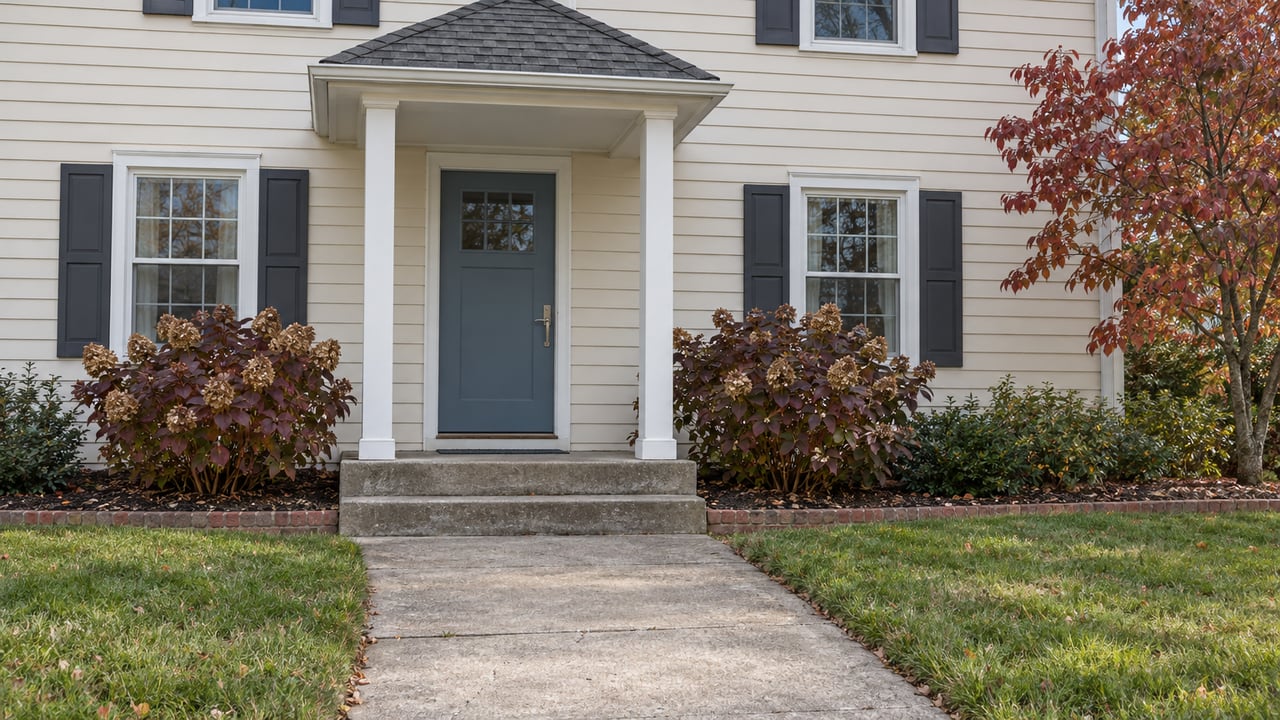
- Small colonials, ranches, and cape cods are the most common options for first-time buyers who want a yard and a driveway. Many were built from the mid-1900s through the 1980s.
- Smaller split-level and raised ranch layouts give you more living space for the price, often with flexible lower levels.
- Townhouse and condo choices exist but are less common inside Yorktown Heights proper than in denser Westchester towns; you’ll see more options in nearby communities.
- Newer infill builds and small subdivisions appear occasionally. These tend to cost more than comparable older homes.
Typical features and systems
- Bedrooms and baths: expect 2 to 4 bedrooms and 1 to 2 full baths. Finished basements or attic conversions can add usable space.
- Lot sizes: a quarter acre to about one acre is common, which gives you private outdoor space without heavy maintenance.
- Systems and age: many homes are older. You may see oil or gas heating, older windows, and roofs or hot water systems that will need attention within 5 to 15 years.
- Utilities: some homes use oil heat or have septic systems, especially on the edges of town. Verify fuel type, tank location and condition, and whether the property is on public water and sewer.
- Parking: one-car or detached garages are typical, and off-street parking is common and helpful for commuting households.
How it compares across Westchester
Yorktown Heights sits in northern Westchester, so you generally get more space for your dollar than in southern suburbs like Scarsdale or Bronxville. It is still part of the New York metro, so property taxes and the cost of living are above national averages. For county tax resources and parcel details, you can review the county’s real property information through the Westchester County property tax resource.
Commute and daily life
Rail, bus, and driving options
Yorktown Heights does not have a Metro-North station within the hamlet. Most commuters drive to nearby Harlem or Hudson Line stations, or they drive directly to work hubs like White Plains. Door-to-door time depends on time of day and destination.
- White Plains: often about 20 to 35 minutes by car, depending on traffic.
- Manhattan: typically 45 to 90+ minutes door-to-door when you include the drive to a station, parking, train time, and last-mile transit.
- Stamford and other CT jobs: often 45 to 75 minutes, timing varies.
To plan your routes, check Metro-North schedules and stations and the Westchester County Bee-Line bus system, which connects Yorktown to White Plains and other hubs.
Schools and local services
The Yorktown Central School District serves most of the area and is often a key factor in buyer decisions. For boundaries, programs, and enrollment details, visit the Yorktown Central School District site. You’ll also find suburban shopping centers, parks and trails, and convenient access to larger employers and hospitals in White Plains and nearby Hudson River towns.
Market pace and offer expectations
Starter homes in attractive price bands get quick attention. Showings and offers often happen within days of listing. In hotter stretches of the market, you may see multiple offers, cash terms, and escalation clauses. In cooler periods, you might have more room to negotiate on price, closing cost credits, or repairs.
Track these signs of demand with your agent: days on market, the ratio of sale price to list price, new and pending listings, and the share of homes selling over list. Your local MLS and county board reports are the best sources for a current snapshot. Broader national context on buyer trends can be found in NAR’s research and statistics.
What does this mean for you? Have a pre-approval in hand, be clear on your must-haves, and be ready to tour new listings as soon as they go live. If the home checks your boxes, a strong, clean offer with standard contingencies and complete documentation can put you in a winning position.
From offer to closing: timeline basics
In Westchester, 30 to 60 days from contract to closing is common for financed purchases. Cash deals can be faster. Your contract will define the details, and timelines are negotiable based on both sides’ needs.
- Day 0: Contracts are signed and the earnest money deposit is due.
- Inspection window: Usually 5 to 10 business days after contract, often covering general inspection plus any specialist checks.
- Appraisal: Your lender orders the appraisal once you’re in contract. Expect roughly 7 to 14 days for the report depending on appraiser availability.
- Underwriting: Plan on 2 to 4 weeks to satisfy lender conditions and reach clear to close.
- Title and municipal searches: These run in parallel. You’ll do a final walk-through shortly before closing.
Remember that New York transactions often include attorney participation. Your attorney will review title, municipal searches, and contract compliance and will coordinate with your lender, the title company, and the seller’s side.
Inspections that matter in Yorktown Heights
A general home inspection covers the structure, roof, foundation, electrical, plumbing, HVAC, visible moisture issues, and major safety items. In Yorktown Heights, older systems and regional conditions mean a few extra checks are smart.
- Heating source and fuel storage: If the home uses oil, confirm whether the tank is above or below ground and request the tank’s condition and history. An underground tank may warrant an oil-tank sweep.
- Septic and well: In outlying areas, ask for septic inspection records and any health department certifications. For guidance on private systems and permits, see the Westchester County Department of Health.
- Age-related items: Roofs, chimneys, window replacements, and signs of basement water infiltration are common assessment points. Look at grading and drainage around driveways and culverts.
- Environmental and pests: Radon testing, chimney and fireplace inspections, and termite or carpenter ant inspections may be recommended based on the property.
Inspection fees vary by home size and scope. Schedule quickly within your inspection window so there’s time to complete any specialist testing.
Appraisal basics for first-time buyers
An appraisal is an independent opinion of value used by your lender; it does not replace an inspection. Appraisers focus on recent comparable sales, overall condition, and market trends. You can learn about general appraisal standards through HUD.
If the appraisal comes in low, you have options. You can negotiate the price, add to your down payment to bridge the gap, or ask your lender to reconsider with additional comparable sales. In some cases, sellers may offer concessions, depending on market conditions and leverage.
Set smart search alerts
Speed matters in popular price ranges. The most reliable, fastest alerts come from the local MLS through your agent. You can also supplement with public real estate portals if you like, but MLS alerts typically hit your inbox first and often include agent-only notes.
Dial in your search with these settings:
- Geography: Start with Yorktown Heights, then add nearby towns if you’re flexible.
- Price: Set a realistic range and consider a second alert slightly above your max for newly renovated listings that may justify the premium.
- Property type: Single-family, townhouse, and condo should be separate saved searches for cleaner results.
- Beds and baths: Lock in must-haves. If square footage matters, set a minimum.
- Fresh listings: Filter for new or 1 to 3 days on market so you see homes as they launch.
- Keywords: Try “new roof,” “finished basement,” “generator,” “oil tank removed,” or “stone foundation” to surface helpful details or potential red flags.
- Price drops: Enable alerts for reductions, which can signal motivated sellers.
Before you tour, have your pre-approval ready and discuss offer templates and inspection request language with your agent. That prep helps you move quickly without sacrificing diligence.
Quick starter-home checklist
Use this shortlist to stay organized from search to close.
- Search setup: town or zip codes, a small radius, relevant school district names, property type, price range, and must-have features.
- On tour: check parking, water pressure, cell reception, roof condition, furnace or boiler age, hot water tank age, basement moisture, window condition, kitchen appliances, electrical outlets, and storage.
- Inspections to order: general home inspection; septic and well if applicable; oil-tank sweep if suspected; radon if indicated; chimney and pest as recommended.
- Financing and timeline: mortgage pre-approval, earnest money amount, inspection deadline, appraisal deadline, lender conditions, attorney review, final walk-through, and closing funds transfer.
- Negotiation prep: likely seller concessions, repair credit vs. repair work, and sample escalation language to review with your agent and attorney.
Ready to start your Yorktown Heights search?
If you want more space and a smooth commute within Westchester, a starter home in Yorktown Heights can be a smart move. With local insights, clear timelines, and a strong vendor bench, you can shop with confidence and write a winning offer when the right home appears.
When you’re ready, schedule a strategy call to map your search, set up fast MLS alerts, and review inspection and appraisal timelines for your situation. Connect with Nicole Biello, your Westchester-based Compass agent, for a quick plan that fits your budget and goals.
FAQs
What types of starter homes are common in Yorktown Heights?
- You’ll mostly see small colonials, ranches, cape cods, and split or raised ranches, with limited townhome or condo options inside Yorktown Heights and more choices in nearby towns.
How competitive are offers on Yorktown Heights starter homes?
- In popular price ranges, homes can draw quick showings and multiple offers within days; in cooler periods, buyers may have more room to negotiate on price, credits, and repairs.
How long does closing take in Westchester for first-time buyers?
- Most financed purchases close in about 30 to 60 days from contract, with 5 to 10 business days for inspections, 7 to 14 days for appraisal, and 2 to 4 weeks for underwriting and title work.
Which inspections should I expect for older homes in Yorktown Heights?
- Plan on a general home inspection and consider septic, well, oil-tank sweep, radon, chimney, and pest inspections based on the property and your inspector’s advice.
How do I commute from Yorktown Heights to NYC without an in-town station?
- Most residents drive to nearby Metro-North stations or use Bee-Line buses to connect, then take the train into the city using Metro-North schedules.
Do some Yorktown Heights homes have oil heat or septic systems?
- Yes, especially in outlying areas; verify fuel type and tank history and, if there’s a private system, follow Westchester County Department of Health guidance on inspections and certifications.