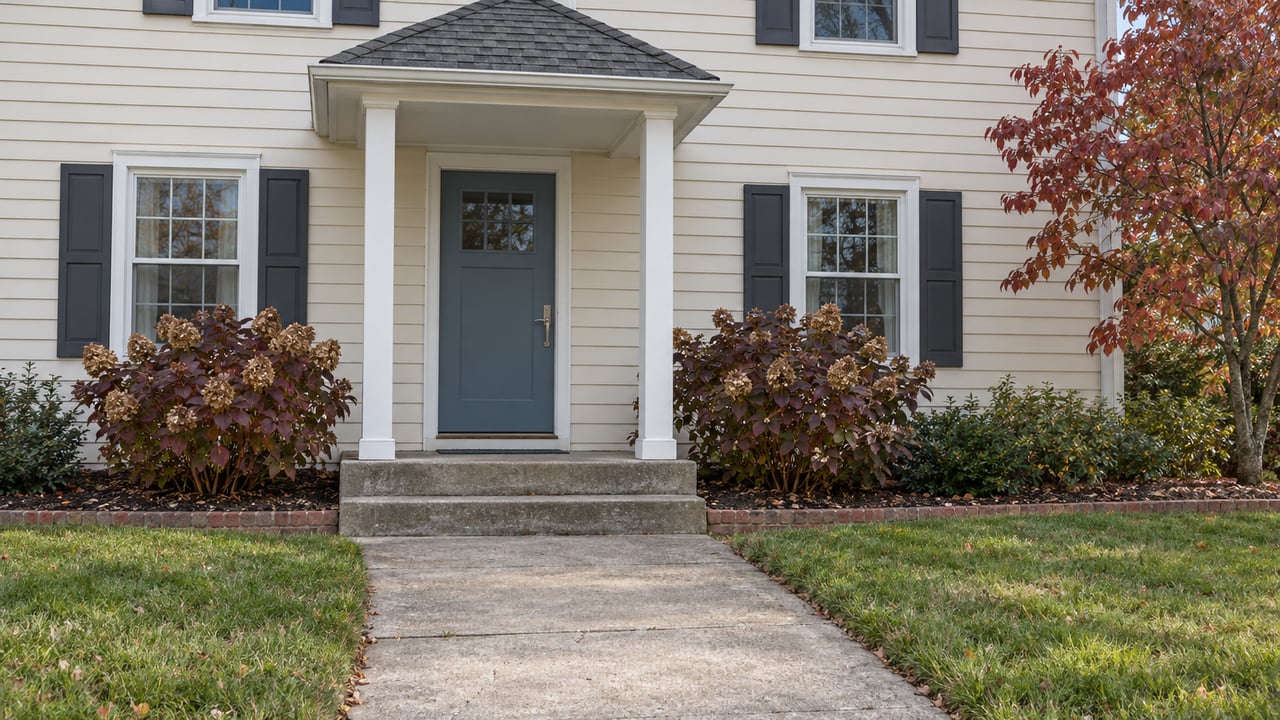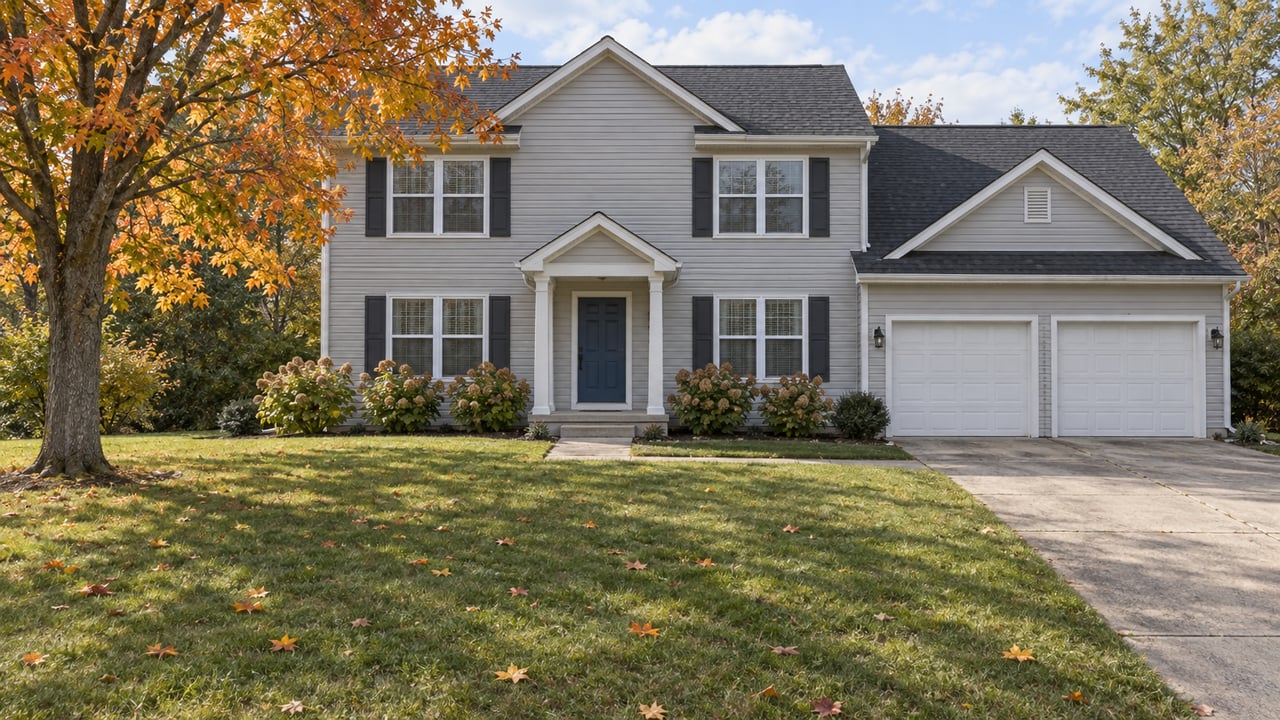
Two colonials hit the market the same week in Cortlandt Manor. Same acre lot, same builder-grade finishes, same 10567 ZIP code on the listing sheet. One sits in the Cortlandt Estates neighborhood, zoned to Hendrick Hudson schools. The other sits closer to Furnace Dock Road, near the Yorktown line, zoned to Yorktown schools instead. Their assessed values land close enough to round to the same figure. Their tax bills do not, and the gap has nothing to do with square footage, lot size, or which municipality cuts the check.
It comes down to a school district border that doesn't appear on the "Welcome to Cortlandt Manor" sign, doesn't show up in the hamlet's name, and usually doesn't surface until an agent pulls the actual tax card on a specific parcel.
Why Croton-on-Hudson Is the Easy Comparison
Croton-on-Hudson is one of only two incorporated villages inside the Town of Cortlandt, the other being Buchanan. According to the Village of Croton-on-Hudson's residential tax payment schedule, the village has its own village property tax, a fourth line item layered on top of county and school taxes, and splits a resident's annual bill into pieces on a fixed schedule: village tax due each June, county and town tax due each April, and school tax collected in two installments, one each September and January.
The school-tax bill funds the school district. Croton-on-Hudson sits entirely inside the Croton-Harmon school district. The school-rate comparison across two Croton-on-Hudson listings is genuinely apples to apples.
Why Cortlandt Manor Isn't
Cortlandt Manor skips the village layer completely. It's a hamlet, an unincorporated section of the Town of Cortlandt with no separate village government and no separate village tax bill. On paper, that should make it the simpler, cheaper comparison.
It doesn't, because the town's own tax office processes bills across five separate school districts: Croton-Harmon, Hendrick Hudson, Lakeland, Putnam Valley, and Yorktown, according to the Town of Cortlandt Tax Receiver's office. Inside the Cortlandt Manor hamlet specifically, that split narrows mostly to two, Hendrick Hudson and Lakeland, with smaller pockets zoned to Croton-Harmon or Yorktown depending on which edge of the hamlet a house sits on.
That's the actual trade a Cortlandt Manor buyer makes. Skip the village tax line that every Croton-on-Hudson buyer pays, but do the work to confirm which of four possible school levies applies to this specific address, because the hamlet's name won't tell you.
The Named Streets Where the Line Actually Runs
This shows up in real listing copy, not just tax office paperwork. A colonial in the Cortlandt Estates neighborhood gets marketed by naming the Hendrick Hudson school zone directly. A unit along the Furnace Dock Road corridor, closer to the Yorktown Heights border, gets marketed under Yorktown schools instead. Neither listing bothered explaining what Cortlandt Manor means as a place, because buyers already recognize the hamlet. What needed spelling out was the district, because that's the variable that actually changes from block to block.
Two sellers, two houses, same hamlet, and the detail worth naming in bold letters wasn't the neighborhood. It was the school district. That tells you which variable local agents already know moves the number, and which one a quick portal search won't surface for you.
What a Real Bill Looks Like
Percentages flatten this story, so a specific number is more honest. One Cortlandt Manor listing, in the Lake Woodrock community, currently carries an annual tax bill of roughly $21,245 with the STAR exemption applied. That figure belongs to one house, one assessment, one district. It isn't a hamlet-wide average and shouldn't be read as one.
The hamlet's name tells you where the house is. It doesn't tell you which tax bill you're getting.
The house two streets over, similar price point, different school district, could land thousands of dollars away from that number in either direction. In Croton-on-Hudson, the school tax rate stays the same no matter where inside the village you land, because there's only one district to be zoned into. In Cortlandt Manor, the school portion is doing most of the moving, and it moves based on a line you can't see from the curb.
The Question a Median Can't Answer
This is where the standard "Cortlandt Manor versus Croton-on-Hudson" comparison a relocator runs on a portal falls apart. A median tax figure for Cortlandt Manor is quietly blending Hendrick Hudson bills, Lakeland bills, and the smaller pockets of Croton-Harmon and Yorktown bills into one number that describes no actual house. A median for Croton-on-Hudson is describing one consistent system, because the village only has the one district to blend.
Comparing those two medians side by side isn't comparing two neighborhoods. It's comparing one uniform system to a combined median drawn from four different ones. The only comparison that actually means something happens at the address level, not the hamlet level, which is a different research task than most buyers expect to do before they've even toured the house.
Before You Write the Offer
A few questions are worth asking before a Cortlandt Manor listing goes from browsing to an offer:
- Which school district serves this specific parcel, not just the hamlet name on the listing. Hendrick Hudson, Lakeland, Croton-Harmon, and Yorktown all show up somewhere inside Cortlandt Manor.
- What is the town's assessed value for the parcel, not the seller's estimate of market value. Westchester assessed values and market prices frequently diverge.
- Is the quoted tax figure the STAR-exempt bill or the full bill. The New York State Tax Department says STAR only reduces the school portion, not the town or county share.
- If you're weighing this against a Croton-on-Hudson listing, add the village tax line back into that comparison. It won't appear on a Cortlandt Manor bill at all, and its absence is easy to mistake for savings that may or may not hold once you account for which school district you actually landed in.
None of this shows up on a first search. It shows up once someone pulls the tax card for the specific house you're serious about, which is exactly the point where a buyer needs a second set of local eyes rather than a portal filter.
If you're comparing Cortlandt Manor to Croton-on-Hudson and want the actual district-by-district numbers run for the specific listings you're considering, rather than a hamlet-wide average that doesn't describe either house, Nicole Biello can pull that comparison before you write an offer. Book a free strategy call and bring the addresses. That's the level this decision actually needs to be made at.
This article is general information, not legal, tax or financial advice. Consult a qualified professional about your situation.