
If you are torn between two Hudson River lifestyles, you are not alone. Montrose and Peekskill sit just minutes apart, yet they feel very different day to day. You want the right fit for your commute, your weekends, and your budget, not just a pretty view. This guide walks you through housing, transit, downtown energy, waterfront access, schools, and long‑term considerations so you can decide with confidence. Let’s dive in.
Quick snapshot
Montrose at a glance
Montrose is a hamlet in the Town of Cortlandt. That means town government handles zoning, permits, and services for local addresses. The vibe is primarily residential with tree‑lined streets and a quieter pace. Property taxes are set at the town and school district level, so the bill can vary by specific address.
Peekskill at a glance
Peekskill is an incorporated city with its own municipal departments and planning office. You get a defined downtown, civic services, and a broader mix of housing types near the center. Evenings often center around the business district and waterfront. As with any city, taxes and policies are set locally, alongside the applicable school district.
Housing and market feel
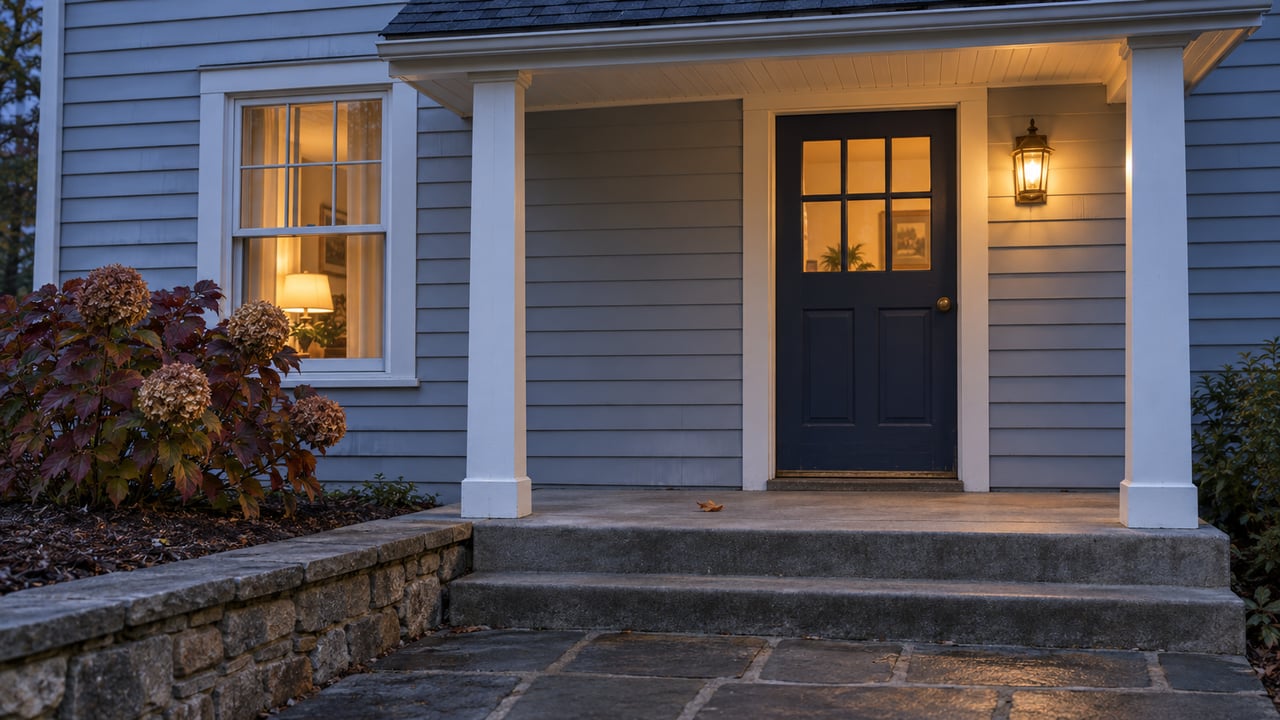
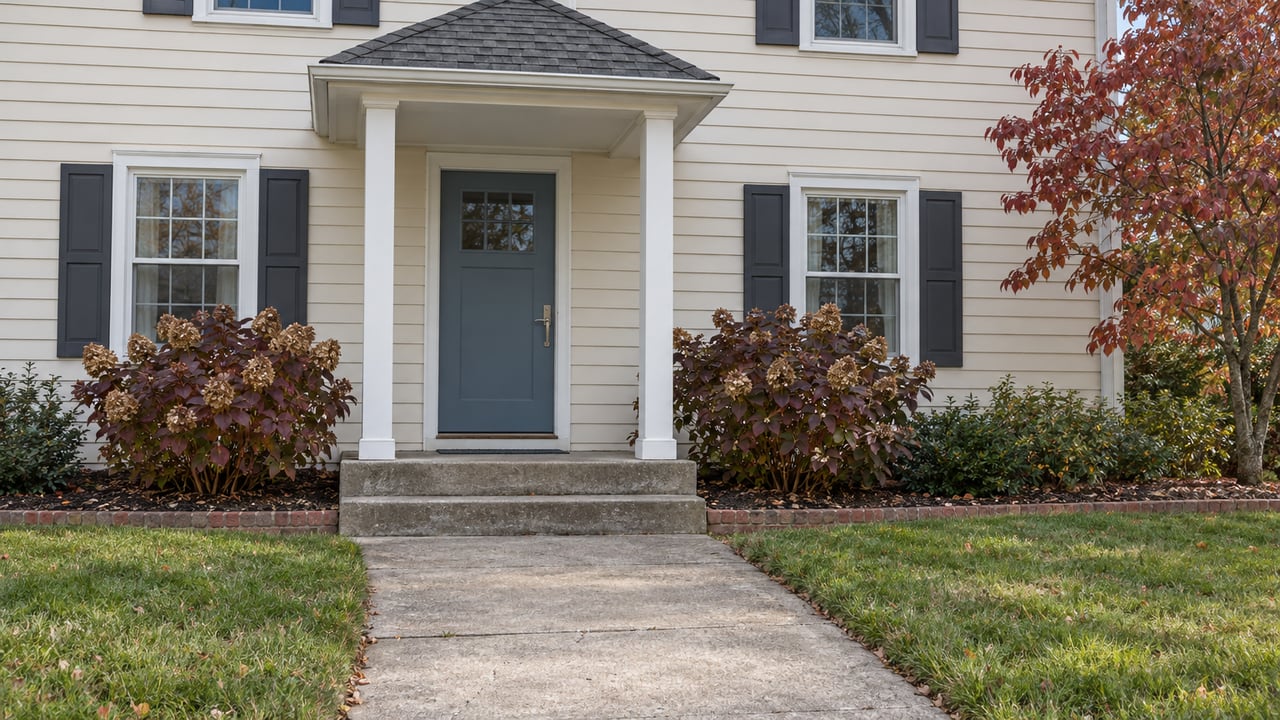
Both places offer a range of options, but the pattern on the ground differs. In Montrose, you will mostly see single‑family streets and mid‑century suburban homes on residential lots. In Peekskill, you will find a wider mix close to downtown, including single‑family, small multi‑family, and condo or apartment living in walkable blocks.
If you are comparing costs, remember that price is only part of the story. Total cost includes property taxes, utilities, potential HOA fees for condos, and insurance. Market statistics such as median sale price, price per square foot, and days on market change often. Work with an agent who can pull recent MLS data for the exact property type you want and confirm trends by neighborhood pocket.
What this likely means for you:
- You want a yard, quieter streets, and traditional single‑family living: start your search in Montrose and surrounding Town of Cortlandt neighborhoods.
- You want options near restaurants and arts, or you prefer condo convenience with lower exterior maintenance: include Peekskill’s walkable core and adjacent streets in your mix.
Commute and transit
Metro‑North access
Both communities are served by the Hudson Line for trips to Grand Central Terminal. Peekskill has a Metro‑North station near its downtown, which makes a walk, bike, or quick drop‑off realistic from many city blocks. Montrose residents typically drive to nearby Hudson Line stations within the Town of Cortlandt. Check current timetables and plan a sample itinerary using the official Hudson Line schedules for your work hours.
Parking and station logistics matter. Permit rules, daily rates, and wait lists can change by station and municipality. Before you commit to a home, verify parking options and timing on the municipal or station pages, and do a test run during your actual commute window.
Driving options
If you rely on a car some days, compare the door‑to‑door experience from each place. Map out routes to your workplace and frequent destinations at your usual departure times. The difference between a 10‑minute and a 20‑minute drive to the train, or an extra transfer on the way home, can change how your week feels.
Quick commute checklist:
- Test a morning and evening run to the station on a weekday.
- Confirm parking permits, day rates, and availability.
- Review Hudson Line schedules for your specific train.
- Try a rainy‑day or snow‑day plan to see how it holds up.
Downtown life and walkability
Peekskill offers a defined central business district with a cluster of restaurants, cafes, galleries, and venues, along with a waterfront area that draws people on evenings and weekends. Use the City of Peekskill website to preview civic events and community calendars.
Montrose is more residential. Daily errands may involve short drives to nearby shopping corridors within the Town of Cortlandt. If you prioritize walking to dinner and shows, compare the block‑by‑block experience around Peekskill’s center to see if it matches your lifestyle. If you value quiet nights, Montrose’s residential streets might feel just right.
Walkability tools can help, but take them with a grain of salt. Online scores look at proximity, not sidewalk quality, lighting, or the feel of crossing key roads. Nothing beats a few evening strolls to understand how the area moves, especially in different seasons.
Waterfront and outdoors
Both areas sit along the Hudson River, with public shoreline access, parks, and places to enjoy river views. If you are dreaming of kayaks, marinas, or sunset walks, explore each municipality’s parks and recreation pages to see what is nearby and how crowded it gets on weekends.
Waterfront living also comes with practical checks. Some blocks sit in mapped flood zones where lenders may require flood insurance. To understand a specific property’s risk, enter the exact address in the FEMA Flood Map Service Center. For questions about tidal wetlands or shoreline rules that could affect additions or docks, start with the New York State Department of Environmental Conservation for guidance and permit basics.
Smart steps by the water:
- Confirm the FEMA zone for the parcel and any elevation certificate on file.
- Ask about past flood claims and local mitigation work.
- Price out flood insurance early if the home is in a mapped zone.
Schools and family services
School district boundaries can shift street by street, especially in a hamlet like Montrose where the Town of Cortlandt provides municipal services but school lines are set by the district. Peekskill addresses are typically served by the city’s district, but you should always verify by address. For official program descriptions and accountability profiles, use the New York State Education Department’s public school data site and the relevant district’s website.
Family‑friendly amenities like libraries, youth sports, and parks are strong on both sides of the border. Compare after‑school logistics, travel times to practice fields, and typical pick‑up traffic around schools you may attend. If childcare is part of your plan, call providers early to ask about wait lists and hours.
Taxes, insurance, and costs
Two similar homes can carry very different monthly costs because of taxes, utilities, and insurance. In Westchester County, property taxes are calculated based on municipal and school district rates. Because Montrose is in the Town of Cortlandt and Peekskill is a city, the underlying tax structures can differ. Always review the most recent tax bill for any home you are considering and ask how assessments are trending locally.
If a property is in a flood zone, factor flood insurance into the budget. Condo or townhouse options, more common near city centers, may include monthly HOA fees that cover exterior maintenance and amenities. Your agent can request up‑to‑date HOA budgets and rules during due diligence so there are no surprises.
Development and future outlook
City and town policies shape what a block looks like in five or ten years. Peekskill, as a city with a central business district, often evaluates downtown and waterfront projects through its planning department. Montrose, within the Town of Cortlandt, follows town zoning and permitting processes. Before you buy, it helps to scan agendas or planning pages for each municipality so you understand what is proposed nearby:
- Town information and contacts: Town of Cortlandt
- City information and contacts: City of Peekskill
Questions to ask planning staff:
- Are there active or proposed projects within a half‑mile of the property?
- Have there been recent rezonings that change allowed uses or heights?
- Are there design guidelines or historic overlays that affect renovations?
Who fits where
Use these quick profiles as a starting point, then test them against your day‑to‑day needs.
- You want a quieter residential setting with traditional single‑family streets and easy car access to daily errands: lean Montrose and nearby Town of Cortlandt neighborhoods.
- You want a walkable center with dining, events, and varied housing types, including condos or small multi‑family: put Peekskill at the top of your list.
- You are a rail commuter who values a simple station routine: compare your distance to the Peekskill station versus your nearest Hudson Line station from Montrose.
- You are a first‑time buyer balancing budget with lifestyle: look at both. You may find different tradeoffs between monthly costs, taxes, and maintenance based on property type.
- You are eyeing long‑term potential: review each municipality’s planning pages for upcoming projects and public investments.
Next steps and resources
- Check commute times. Run a sample weekday itinerary on the Hudson Line schedules and test a drive to the station during rush hour.
- Verify flood risk. Enter any address in the FEMA Flood Map Service Center and ask for any elevation certificates on file.
- Review local rules. Scan the Town of Cortlandt and City of Peekskill sites for planning, permits, and parking details.
- Explore environmental guidance. For waterfront or wetland questions, start with the New York State Department of Environmental Conservation.
- Research schools. Use the state’s public school data site and confirm district assignment by exact address with the district.
- Tour at the right times. Visit on a weekday evening and a weekend afternoon to compare traffic, parking, and downtown activity.
Ready to compare live listings, neighborhoods, and commute options side by side? Reach out to Nicole Biello to map a plan that fits your timing and budget.
FAQs
What is the main difference between Montrose and Peekskill governance?
- Montrose is a hamlet within the Town of Cortlandt, while Peekskill is an incorporated city with its own departments, which affects zoning, permitting, and how services are delivered.
How do commute options differ for Montrose and Peekskill buyers?
- Peekskill has a Hudson Line station near its downtown, while Montrose residents typically drive to nearby Hudson Line stations within the Town of Cortlandt and should confirm parking and schedules.
How does downtown life compare between the two areas?
- Peekskill offers a defined business district with clustered dining and arts, while Montrose is more residential and errands often involve short drives to nearby shopping areas.
What should I know about Hudson River flood risk before buying?
- Check the property’s FEMA flood zone, ask for elevation certificates, and price flood insurance if required, starting with the FEMA Flood Map Service Center.
How do property taxes vary between Montrose and Peekskill?
- Taxes are set by the municipality and school district, so a similar home can have a different bill in each place; always review the most recent tax bill for the specific address.
How can I verify school district assignment for a specific address?
- Use district resources and the state’s public school data site, and confirm directly with the district to ensure accurate boundaries and program details.