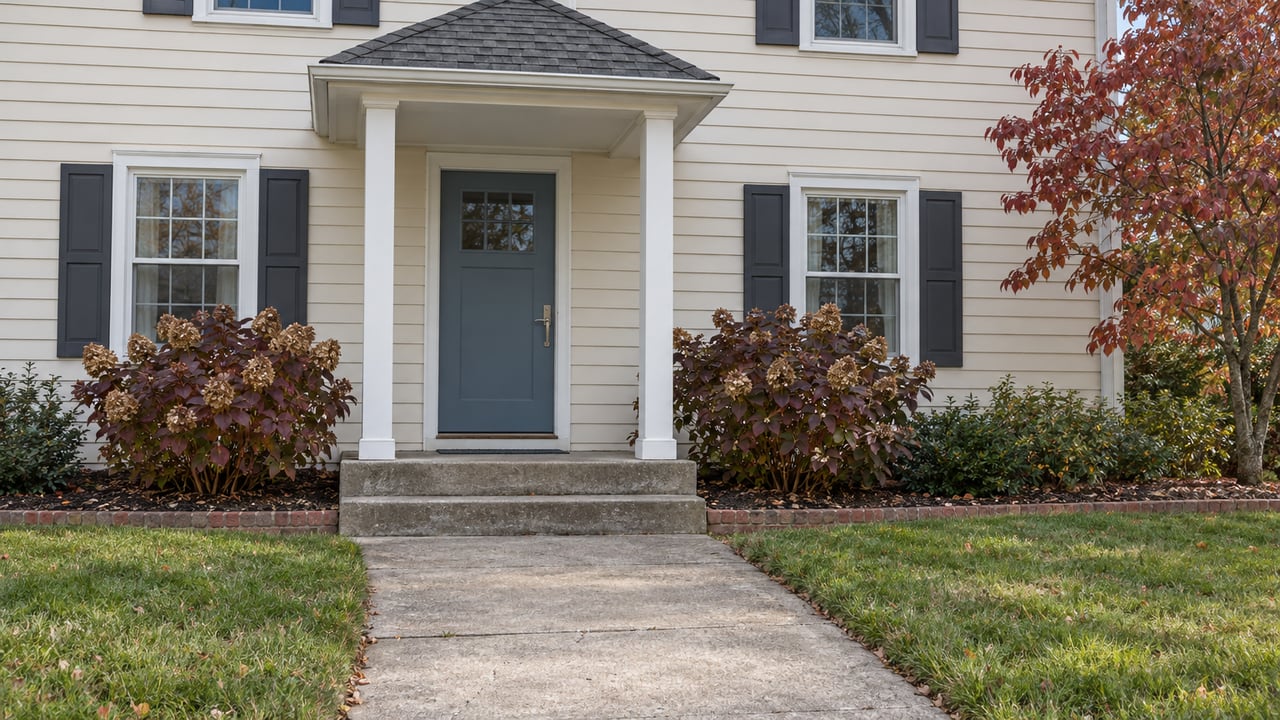

A house on the market in Croton-on-Hudson right now has a good shot at going into contract inside a month. As of May 2026, homes here were going under contract in an average of 25 days, with many buyers waiving contingencies to compete. Hot listings moved even faster, going under contract in around 17 days and fetching roughly 11% over ask.
None of that speed applies once an inspector finds a capped pipe by the foundation that nobody in the house has ever noticed before.
The One Deadline That Doesn't Bend
Croton's market has been moving fast in 2026. The median sale price over the three months ending in May came in at $849,000, up 27.3% from the same period a year earlier, with price per square foot up 9% to $508. Only 11 homes sold that month, which tells you how thin the inventory is and how much competition each listing draws. That kind of market rewards sellers who show up with a clean, ready-to-close file.
An underground heating oil tank does not read the calendar. If a buyer's inspector spots a sign of one, or a lender's appraiser flags it as a possible hazard, the usual quick-sale script stops. What was supposed to be a quick, above-ask deal turns into a scan, a report, a possible removal, and in the worst case, a soil test that determines whether the sale happens at all.
Why It's Usually the Charming Ones
The homes buyers move to Croton for, the colonials near the village, the capes tucked along the older streets by the river, are often the same homes most likely to have a buried tank. Oil heat was the standard for decades before natural gas lines and aboveground tanks became common, and a local environmental firm that works across the lower Hudson Valley specifically calls out Croton-on-Hudson and the Town of Cortlandt as areas where older homes may still have underground oil tanks in use, or simply left in the ground after a conversion.
That last part matters. Switching a house from oil to gas doesn't always mean the old tank came out. Homeowners upgraded the furnace, capped the lines, and moved on. The tank stayed exactly where it was.
The Tells
You do not need a permit search to start looking. A handful of physical signs point to a tank that a prior owner, or even the current one, may not know is there:
- A capped fill pipe or vent pipe near the foundation, sometimes just two small pipes poking out of the ground
- Disconnected copper fuel lines sitting in the basement with nowhere to go
- An old oil burner switch near the basement stairs that no longer does anything
- A patched section of foundation wall where a line used to run through
- A shallow, circular depression in the lawn that never quite fills back in
None of these prove contamination. They just mean the house is worth a closer look before it goes on the market, not after an inspector finds them during an attorney review period.
What Actually Happens During a Sweep
A tank sweep is not invasive. A technician walks the property with ground-penetrating radar, electromagnetic detection, or both, scanning near the foundation, the old heating equipment, and any suspected fill-pipe locations. Westchester has several firms that do this work regularly. Northeast Environmental has operated in the county for more than two decades and has handled thousands of removals and installations. Barrier Contracting, based in White Plains and Peekskill, removes tanks ranging from small residential sizes up to large commercial units and also helps homeowners convert to gas or electric once a tank comes out. GPR Tank Sweep, which works across New York, New Jersey, and Pennsylvania, uses rod probing after a scan to confirm that a detected anomaly is actually steel and not something else buried in the yard, since tanks typically sit one to three feet down and run about six feet long.
The sweep itself usually takes one to two hours. What happens after depends entirely on what it finds.
| What the sweep finds | What typically happens next | Rough timeline impact |
|---|---|---|
| No tank detected | Report goes in the file, deal moves forward | Same day to a few days |
| Tank found, no leak signs | Removal or approved closure-in-place scheduled | Days to a couple of weeks |
| Tank found with signs of contamination | Soil testing, remediation plan, DEC involvement | Several weeks or more |
A clean report is not automatically the end of the conversation either. Ask what equipment was used, which areas were scanned, and whether the report is transferable to a future buyer or lender, since some companies write their reports to carry over if the property changes hands again.
The Lender Question Nobody Asks Until Week Three
Here is the part that catches sellers off guard. Fannie Mae does not treat every old oil tank as an automatic loan denial, but the guidelines are specific: if an appraiser becomes aware of a possible hazard, they have to identify it, note any effect on value, and make the appraisal conditional on inspection by a qualified professional. If the hazard is serious enough that the appraiser can't form a reliable opinion of value at all, the loan may not be eligible to sell to Fannie Mae. That's not a small technicality when a buyer is financing 80% of a $900,000 purchase.
A fast-moving deal has no line item for waiting on a soil report.
There's a homeowner's insurance angle too. If your policy includes a pollution exclusion clause, a leaking tank can leave you covering remediation costs yourself, and those costs often run into the tens of thousands of dollars. That's not a buyer's problem to solve after closing. It's a seller's exposure the moment the tank is discovered, whether that's during your ownership or the next one.
Get Ahead of the 25 Days
In a market where the average Croton listing goes under contract in under a month, the smartest move is to answer the oil tank question before a buyer's inspector asks it. If your home was built before the 1970s and you don't have documentation showing an oil tank was properly removed or closed, a sweep before you list costs a fraction of what a mid-contract discovery costs in time and leverage. If a tank turns up, you get to choose the contractor, the timeline, and the story you tell buyers, instead of negotiating from a weaker position with a deal already on the table.
FAQ
My house has had gas heat for as long as I've owned it. Could there still be a buried tank? Yes. When homes converted from oil to gas or to an aboveground tank, the old underground tank was often left in place rather than removed. The heating system changed. The tank didn't move.
Does removing a tank always mean digging up my yard? Not necessarily. CapCenter says some localities allow a tank to be closed in place instead of excavated, where a contractor empties it, cleans it, and fills it with an inert material like sand or cement slurry. This option is usually considered when excavation would risk a foundation, driveway, or utility line nearby.
If the sweep comes back clean, am I in the clear? A clean sweep is a good sign, not an ironclad guarantee. Ask what equipment was used, which parts of the property were scanned, and whether there were any access limitations, like a shed or mature landscaping the technician couldn't get near.
What if a previous owner already had a scan done? Ask for the paperwork. Some companies issue reports that are transferable to a new owner or buyer, which can save you from paying for a second scan on the same property.
An underground oil tank isn't a reason to panic about selling in Croton. It's a reason to ask the question on your own timeline instead of a buyer's. If you're weighing when to list an older Croton-on-Hudson home, or you want a second opinion on what an inspector might flag before it ever gets to that stage, Nicole Biello can walk through it with you. Book a free strategy call and get ahead of the one thing a fast market won't wait for.
This article is general information, not legal, tax or financial advice. Consult a qualified professional about your situation.